
Thyme Leaves
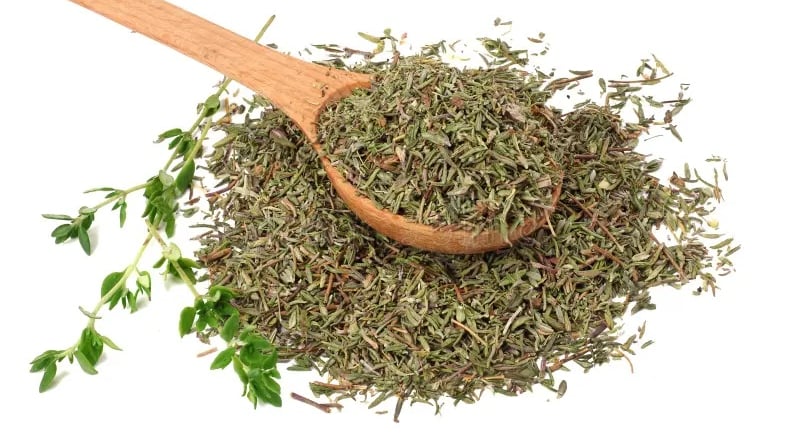
Introduction to Thyme Leaves
Thyme (Thymus vulgaris) is an aromatic herb known for its distinct flavor and numerous health benefits. Commonly used in culinary dishes, thyme leaves are not only a delightful addition to meals but also possess medicinal properties that promote overall well-being. This blog post delves into the health benefits of thyme leaves, with a distinct focus on their role in aiding digestion.
The Nutritional Profile of Thyme
Thyme leaves are rich in essential nutrients, including vitamins A, C, and K, as well as minerals like iron, manganese, and calcium. A significant component of thyme is thymol, which is recognized for its antioxidant and antimicrobial properties. The high antioxidant content contributes to the body’s ability to combat oxidative stress, making thyme a powerful ally in maintaining health.
Thyme Leaves and Digestive Health
One of the most notable benefits of thyme leaves is their positive impact on digestion. Thyme has been used traditionally to alleviate digestive issues such as gas, bloating, and indigestion. The herb's antispasmodic properties help relax the muscles in the digestive tract, promoting smoother digestion and reducing discomfort. Additionally, thyme stimulates the production of digestive enzymes, which aids in breaking down food effectively. By incorporating thyme leaves into your diet, you may be able to support your digestive health while enhancing the flavors of your meals.
Additional Health Benefits of Thyme Leaves
Beyond their digestive benefits, thyme leaves possess numerous other health advantages. For instance, the herb’s antimicrobial properties can help fight off infections, both internally and externally. Additionally, thyme is often used as a remedy for respiratory issues, as its expectorant attributes aid in relieving coughs and clearing mucus. Furthermore, the anti-inflammatory properties of thyme can contribute to reducing symptoms of inflammatory conditions in the body.
Incorporating Thyme Leaves into Your Diet
Incorporating thyme leaves into your diet is simple and can be done in various ways. Fresh or dried, thyme can enhance soups, stews, marinades, and roasted vegetables. Additionally, thyme tea can serve as a soothing beverage that aids digestion and promotes overall health. For those looking to experience its benefits, adding just a small amount of thyme to your meals can make a significant difference in your digestive health.
Conclusion
In summary, thyme leaves are not only a flavorful addition to culinary creations but also offer a plethora of health benefits. Their ability to support digestion, along with their antioxidant and anti-inflammatory properties, makes thyme a remarkable herb worth including in your daily routine. Whether you prefer it fresh or dried, consider making thyme leaves a staple in your kitchen for a healthier lifestyle.
Quality
Premium herbs, seeds, and beans processing factory.
Contact
sales@organoherb.net
+201111831999
© 2025. All rights reserved.